High Taper Fade: The Complete Guide
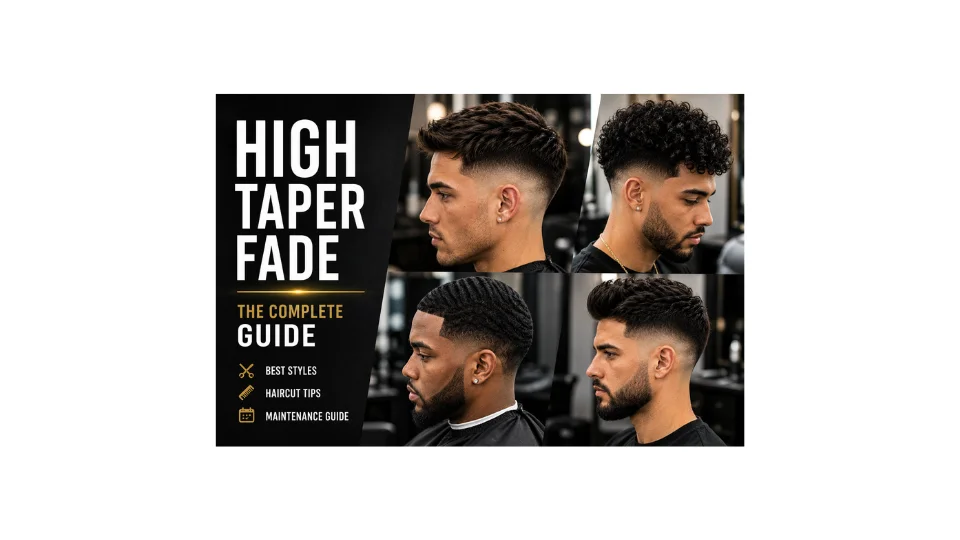
The high taper fade is one of the most versatile men’s haircuts available today. It delivers a clean, sharp appearance while keeping enough length on top to create countless styling options. Whether you prefer a classic business look or a bold modern hairstyle, this fade adapts to almost every face shape and hair texture.
Its popularity has continued to grow because it combines style with practicality. Barbers recommend it for men who want a polished haircut without committing to an extremely short fade. It also works well with straight, wavy, curly, and coily hair.
In this guide, you’ll learn what a high taper fade haircut is, where it comes from, how it differs from other fades, who it suits best, the most popular variations, maintenance tips, and exactly how to ask your barber for the perfect cut.
What Is a High Taper Fade?
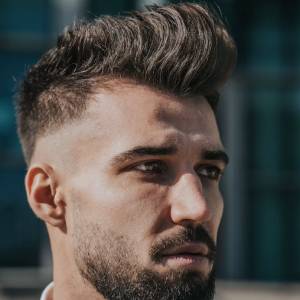
This is a haircut where the hair gradually becomes shorter, beginning high on the sides and back of the head. Instead of creating a harsh line, the fade blends smoothly into the skin or very short hair, creating a clean transition.
Unlike a regular taper, which starts closer to the ears, this cut begins much higher. This creates stronger contrast between the longer hair on top and the faded sides, giving the haircut a sharper and more modern appearance.
Why Is It Called a High Taper Fade?
The word “high” refers to where the fade begins. Instead of tapering only around the neckline and sideburns, the fade starts near the temples — or even closer to the crown — making the upper hairstyle stand out even more.
The gradual blend keeps the haircut looking natural while adding definition around the face. That’s one reason many professional athletes, actors, and influencers regularly choose this look.
Key Characteristics
- Starts high above the ears, sometimes near the crown
- Smooth transition into shorter hair or skin
- Clean neckline
- Sharp, modern appearance
- Suitable for nearly every hair texture
- Easy to customize with different top lengths and finishes
A Quick History of the High Taper Fade
The high taper fade didn’t start in a fashion magazine — it started in military barbershops. Short, disciplined back-and-sides cuts were standard issue for practicality, and the sharp, high contrast look was a natural byproduct of keeping hair short and manageable.
As the style moved into civilian barbershops, it picked up steam through the 1980s and 1990s, becoming closely tied to hip-hop culture and urban fashion. Barbers began experimenting with how high the fade could start and how it could frame different hairstyles on top, turning a practical military cut into a genuine style statement.
Decades later, this haircut has held its place as a men’s grooming staple precisely because it keeps evolving — today it pairs with everything from curls and locs to modern textured crops, which is why it still feels current instead of dated.
Why Is the High Taper Fade So Popular?
It has become a favorite because it offers both style and flexibility. It looks equally good in professional workplaces, universities, weddings, and casual settings.
Another reason for its popularity is that it complements many hairstyles. Whether you wear curls, waves, a pompadour, textured crop, or comb-over, the fade keeps the sides neat while drawing attention to the top.
It also requires less daily effort than many longer hairstyles. A few minutes with a comb, styling cream, or matte clay is often enough to achieve a polished finish.
Works for Every Hair Type
One of the biggest advantages of this haircut is its adaptability. It suits:
- Straight hair
- Thick hair
- Fine hair
- Wavy hair
- Curly hair
- Coily hair
Each texture creates a different look while maintaining the clean structure of the fade.
Great for Every Age
Teenagers appreciate the trendy appearance, while professionals enjoy its clean finish. Even older men choose this style because it provides a youthful yet sophisticated look. Its timeless design means it rarely goes out of fashion.
High Taper Fade vs. Other Fade Haircuts
Many people confuse taper fades with low, mid, and high fades. Although they look similar, each creates a different effect. Here’s a quick side-by-side before the detailed breakdown.
| Fade Type | Where It Starts | Contrast Level | Best For | Time Between Trims |
| Low Taper Fade | Just above the ears/neckline | Subtle | Conservative, office-friendly looks | 4–5 weeks |
| Mid Taper Fade | Middle of the head | Balanced | Nearly everyone; most versatile | 3–4 weeks |
| High Taper Fade | Near the temples or crown | Bold | Fashion-forward, statement styles | 2–3 weeks |
| Skin Fade | Varies (blends to bare skin) | Sharpest | Thick or coarse hair, maximum contrast | 2–3 weeks |
The general rule: the higher and sharper the fade starts, the more often you’ll need to be back in the chair. This cut sits at the more demanding end of that scale, alongside the skin fade.
High Taper Fade vs. Low Taper Fade
A low taper starts close to the ears and neckline. It creates a subtle transition that appears conservative and understated. This cut begins much higher, producing greater contrast and a bolder style.
High Taper Fade vs. Mid Taper Fade
A mid taper starts around the midpoint of the head, offering a balanced appearance between subtle and dramatic. The high version creates more definition and makes the hairstyle on top appear fuller.
High Taper Fade vs. Skin Fade
A skin fade blends completely into bare skin. This haircut may blend into very short hair or skin depending on personal preference, making it more versatile than a true skin fade.
Which One Should You Choose?
If you want maximum contrast and a stylish appearance, the high taper fade is often the best option. If your workplace requires conservative grooming, a low taper may be more suitable.
Best High Taper Fade Styles
The biggest advantage of this haircut is its versatility. Almost every modern men’s hairstyle pairs well with it.
High Taper Fade with Textured Crop
A textured crop creates movement and volume while keeping styling simple. The faded sides highlight the textured top, making this one of the easiest hairstyles to maintain.
Best for: Thick hair, straight hair, oval faces, square faces. Best product: A texture clay for volume and definition without heaviness.
High Taper Fade with Pompadour
The pompadour remains a timeless hairstyle. Adding a high taper makes the top appear even taller while maintaining clean sides. A blow dryer and quality pomade help create the signature lift.
Best for: Medium-length hair, thick hair, professional settings.
High Taper Fade with Curly Hair
Curly hair naturally creates texture and volume. This cut removes bulk from the sides while allowing curls to become the main attraction, and the style looks modern without requiring excessive daily styling.
Best for: Natural curls, loose curls, tight curls. Best product: A curl-enhancing cream to define curls and cut down on frizz.
High Taper Fade with Fringe
A fringe softens the face while adding personality. Combined with a high taper, it creates a youthful appearance that’s currently trending among younger men, and works particularly well with naturally textured hair.
High Taper Fade with Comb Over
The comb over delivers a polished, business-friendly appearance. The clean fade modernizes the traditional hairstyle without making it look too formal. A lightweight styling cream helps maintain the side part throughout the day.
High Taper Fade with Slick Back
Men with medium-length hair often choose a slick back because it emphasizes volume and shine. The faded sides keep the haircut clean and prevent it from appearing bulky — this style works especially well for evening events and formal occasions.
High Taper Fade with Quiff
The quiff combines height with texture, making it one of today’s most popular hairstyles. Adding a high taper creates stronger contrast, making the hairstyle appear fuller while maintaining a sharp finish.
High Taper Fade Black Male Styles
The high taper fade black male haircut is one of the most requested styles in modern barbershops. It enhances natural hair texture while creating a clean, defined shape that works for everyday wear and special occasions.
Whether paired with waves, curls, twists, or locs, this haircut keeps the sides neat and draws attention to the hair on top, helping create a fresh look without removing too much length.
High Taper Fade Black Male with 360 Waves
This combination is a timeless one. The clean fade frames the waves, making their pattern appear deeper and more defined. Maintaining this style requires regular brushing, moisturizing, and wearing a durag at night; frequent barber visits keep the fade looking sharp.
Best for: Coarse hair, short hair, athletic and professional styles.
High Taper Fade with Afro
An afro paired with this fade offers the perfect balance between volume and structure. The fade reduces bulk around the ears while allowing the natural afro to remain the focal point — stylish, easy to manage, and suitable for nearly every face shape.
Styling tip: Use a moisturizing cream or leave-in conditioner to keep the afro soft and healthy without weighing it down.
High Taper Fade with Sponge Twists
Sponge twists have become increasingly popular because they create defined texture within minutes. This cut gives the twists a cleaner outline and highlights their shape, working especially well for men seeking a trendy but low-maintenance hairstyle.
High Taper Fade with Dreadlocks
Short or medium-length locs pair exceptionally well with this haircut. The faded sides reduce visual weight while allowing the dreadlocks to stand out. Regular edge-ups help maintain a crisp appearance between full haircuts.
High Taper Fade with Short Curls
Natural curls already provide volume and movement. This cut removes excess hair from the sides, creating a balanced silhouette that looks clean without sacrificing texture.
Best product: A curl-enhancing cream helps define curls while reducing frizz.
High Taper Fade with Beard
A beard naturally complements the high taper fade by creating a smooth transition from the haircut to the facial hair. When blended properly, the haircut appears more refined and balanced — the fade should gradually connect to the beard instead of ending abruptly. This seamless blend is one of the hallmarks of a skilled barber.
Short beard: Creates a neat and professional appearance. Pairs well with textured tops, side parts, and comb-over hairstyles, and regular trimming keeps it looking symmetrical.
Full beard: Adds masculinity while the fade prevents the hairstyle from looking overly heavy. This combination suits men with thicker facial hair and strong jawlines.
Stubble: Even light stubble works well with this haircut, creating a rugged appearance without requiring extensive grooming — especially popular among men seeking a relaxed yet polished look.
Best Face Shapes for a High Taper Fade
One reason this haircut remains so popular is its ability to complement different face shapes. Minor adjustments in length and volume can dramatically improve facial balance, and an experienced barber can personalize the cut to highlight your best features.
Oval Face
Men with oval faces can wear almost every variation of this fade. Balanced proportions make it easy to experiment with different hairstyles — textured crops, pompadours, and quiffs all work exceptionally well.
Square Face
A square jawline naturally suits sharper hairstyles. The high fade enhances masculine facial features without making the haircut appear overly aggressive. Adding texture on top creates a modern finish, and pairing the cut with a beard can soften strong angles even further.
Round Face
Round faces benefit from additional height on top. The contrast created by a high fade helps make the face appear longer and slimmer. Avoid hairstyles that add excessive width to the sides.
Diamond Face
A textured hairstyle combined with this cut softens prominent cheekbones while maintaining overall balance. Medium-length styles usually produce the best results.
How to Ask Your Barber for a High Taper Fade Haircut
Good communication helps ensure you leave the barbershop with exactly the haircut you want. Bringing reference photos is one of the easiest ways to avoid misunderstandings, and it always helps to explain both the fade and the hairstyle you want on top rather than just naming the cut.
Use This Exact Script
“Can I get a high taper fade, starting above the temples, blending smoothly into the neckline, keeping about [X inches / scissor length] on top, with a [textured / comb-over / slicked-back] finish?”
A couple of real examples you can copy word for word:
- “High taper fade, please — start it above the ears, keep it tight, and leave about 2 inches on top for a textured crop.”
- “High taper fade, blend it into my beard, and finish with a sharp line-up.”
Tell Your Barber
- Start the taper high above the ears (or specify near the crown for maximum contrast).
- Blend smoothly into the neckline.
- Keep the top around your preferred length.
- Blend the fade into the beard, if applicable.
- Finish with a sharp line-up if desired.
These simple instructions allow your barber to customize the haircut according to your hair type and facial features.
How to Style a High Taper Fade
Styling doesn’t require a complicated routine. Using the right product for your hair type can make a noticeable difference in both appearance and hold — the goal is to enhance the top while keeping the fade clean and natural.
For Straight Hair
Use a matte clay or texture paste to create volume without making the hair appear greasy. A blow dryer can add extra lift if needed.
For Thick Hair
A lightweight styling cream helps control volume while maintaining natural movement. Avoid heavy gels that can make thick hair look stiff.
For Curly Hair
Apply a curl cream after washing to define curls and reduce frizz. Air drying usually provides the most natural finish.
For Coily Hair
Daily moisturizing helps maintain healthy hair while preserving curl definition. Use products designed specifically for textured hair to avoid dryness.
Maintenance Guide
This haircut looks best when maintained consistently. Because the fade begins high on the head, new hair growth becomes noticeable sooner than with lower fades — most men schedule touch-ups every two to three weeks.
Daily Care
- Wash hair two to three times weekly.
- Moisturize according to your hair type.
- Brush or comb gently.
- Avoid excessive heat styling.
- Use quality styling products.
Barber Visits
For the cleanest appearance, visit your barber every:
- 2 weeks for sharp fades.
- 3 weeks for moderate maintenance.
- 4 weeks if you prefer a more natural look.
Regular trims also help maintain healthy hair and prevent uneven growth.
Common Mistakes to Avoid
This cut looks its best when it is properly maintained and matched to your hair type. Avoiding a few common mistakes can help your haircut stay fresh for longer.
Waiting Too Long Between Haircuts
The clean blend starts to lose definition as the hair grows. Waiting more than three or four weeks between trims can make the fade look uneven — book regular appointments to keep the haircut crisp.
Choosing the Wrong Hair Products
Using heavy gels or greasy products can flatten your hairstyle and leave unwanted residue. Instead, choose products designed for your specific hair texture — matte clay works well for straight hair, while curl creams and leave-in conditioners are better for curly or coily hair.
Ignoring Hair Health
A stylish haircut starts with healthy hair. Dryness, split ends, and product buildup can reduce the overall appearance of your hairstyle, so wash with a gentle shampoo and use conditioner to maintain softness and strength.
Not Matching the Haircut to Your Face Shape
Not every hairstyle on top suits every face shape. While this fade is versatile, the style above it should complement your facial features — ask your barber for recommendations based on your face shape and hair texture.
Pros and Cons of a High Taper Fade
Like any haircut, this style has advantages and a few considerations. Understanding both can help you decide whether it suits your lifestyle.
Pros
Cons
Celebrity Inspiration
Several well-known athletes and entertainers have worn variations of the high taper fade, helping make it one of the most requested haircuts in modern barbershops. Their looks demonstrate how versatile this fade can be across different hair textures and personal styles.
- A curly high taper fade is a look closely associated with public figures such as Odell Beckham Jr. and Michael B. Jordan, both known for pairing sharp fades with textured curls on top.
- The buzzed high taper fade — very short on top, sharp on the sides — has been worn by artists like Zayn Malik and Drake, showing how the cut works even with minimal length up top.
- Athletes in general favor this haircut because it stays neat during training while still looking sharp off the field, and it photographs well from every angle.
- Musicians, particularly in hip-hop and R&B, often pair the high taper fade black male style with waves, curls, twists, or locs — a combination that has influenced grooming trends worldwide.
- Actors frequently wear this fade because it transitions easily between casual and formal roles, and the clean sides make facial features appear more defined on camera.
Is a High Taper Fade Worth It?
If you’re looking for a haircut that combines style, versatility, and a professional appearance, the answer is yes. This haircut works well for students, professionals, athletes, and anyone who wants a modern look without excessive styling time. It suits nearly every hair texture and can be customized to match your personality.
Frequently Asked Questions
1. What is a high taper fade? It’s a haircut where the hair gradually shortens from high on the sides and back while leaving more length on top.
2. How long does a high taper fade last? Most men need a touch-up every 2–3 weeks to keep the fade looking sharp.
3. Is a high taper fade good for curly hair? Yes. It removes bulk from the sides while making natural curls more defined.
4. Does a high taper fade work for Black men? Absolutely. The high taper fade black male style pairs perfectly with waves, afros, curls, twists, and locs.
5. What’s the difference between a high taper fade and a high fade? A high taper fade creates a gradual blend, while a high fade usually removes more hair and often blends directly into the skin.
6. Is a high taper fade professional? Yes. It offers a clean appearance that is appropriate for offices, schools, and formal events.
7. Which face shape suits a high taper fade? Oval, square, round, and diamond face shapes can all wear this haircut with minor adjustments.
8. Can I get a high taper fade with a beard? Yes. Blending the fade into the beard creates a seamless and polished look.
9. How should I ask my barber for this cut? Use this template: “Can I get a high taper fade, starting above the temples, blending into the neckline, keeping [X] on top, with a [textured/comb-over/slicked-back] finish?”
10. Is the high taper fade still in style in 2026? Yes. It remains one of the most popular men’s haircuts because of its versatility, cultural roots, and timeless appeal.
Final Thoughts
The high taper fade continues to be one of the best men’s haircuts because it combines a clean finish with endless styling possibilities — and decades of cultural relevance behind it. Whether you prefer textured hair, curls, waves, or a beard, this haircut adapts effortlessly to your look.
With regular maintenance every two to three weeks, the right styling products for your hair type, and the barber script above ready to go, you can walk into any barbershop and walk out with a high taper fade that looks exactly the way you pictured it — sharp, confident, and current for 2026 and beyond.