25 Best Taper Fade Haircut Styles for Men in 2026
You’ve probably noticed it everywhere lately — on athletes mid-game, on your favorite actor’s red carpet look, on the guy two seats down at the coffee shop. The taper fade has quietly become the most requested cut in barbershops worldwide, and there’s a simple reason why: it’s one of the only haircuts flexible enough to work with virtually any face shape, hair texture, or lifestyle.
But “taper fade” isn’t just one haircut — it’s a whole category, with dozens of variations depending on fade height, hair type, and the style you keep on top. This guide breaks down the 25 best versions for 2026, plus exactly how to describe what you want to your barber and how to keep it looking sharp between visits.
What Is a Taper Fade?
A taper fade is a haircut where the hair gradually becomes shorter as it moves down the sides and back of the head. The smooth blend creates a clean, sharp look that works well in both casual and professional settings.
What makes this style stand out is its balance. Unlike a regular fade, which can remove a lot of length, this cut keeps more hair on top while gradually shortening the sides — making it one of the most versatile options in men’s grooming.
How a Taper Fade Works
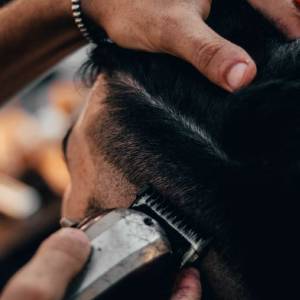
A barber uses clippers with different guard sizes to create the fade effect. Starting from the top with a longer guard, the barber gradually switches to shorter guards while moving toward the neckline.
The result is a seamless blend from longer hair at the crown to skin-level at the bottom. The transition point — whether low, mid, or high — defines the type of taper fade you’re getting.
Why the Taper Fade Became So Popular
The taper fade exploded in popularity because it works with almost any hairstyle on top. You can pair it with curls, braids, a comb over, or even long flow — and it still looks sharp.
Social media played a massive role too. When barbers started posting before-and-after videos on Instagram and TikTok, millions of men saw how transformative the right fade could be. The low taper fade meme alone brought the style to a whole new audience.
The Complete List: 25 Taper Fade Styles to Try in 2026
Here are 25 of the best variations you need to know about right now — whether you want classic and clean or bold and daring, this list has something for every man.
Classic and Clean Styles
- Low Taper Fade
This is the most requested cut in barbershops around the world right now. It keeps things minimal, clean, and timeless, with the fade starting just above the ear and blending smoothly into the neckline.
It works in virtually any setting — office, date night, or casual weekend. If you’re new to this style, it’s the safest and smartest place to start. - Buzz Cut Taper Fade
This style takes a classic military cut and gives it a modern edge — the top kept very short and even, while the sides fade cleanly into the skin.
It’s the lowest-maintenance option on this entire list. You’ll spend almost zero time styling, and it still looks sharp and intentional every single day. - Crew Cut Taper Fade
This combination is timeless and never goes out of style. The hair stays slightly longer at the front and gradually shortens toward the back, paired with a clean fade on the sides.
It’s a go-to choice for men who want a neat, structured look without much effort, and it works especially well for straight or slightly wavy hair. - Comb Over Taper Fade
This has become one of the most popular modern haircuts in recent years. The hair on top is swept to one side, creating a polished and confident look.
Paired with a mid or low fade, the comb over works equally well in a boardroom or at a social event — a pomade or wax will hold it in place throughout the day. - Side Part Taper Fade
This is the gentleman’s choice — a clean, defined part cut into the hair, separating the styled top from the faded sides.
It’s a sharp, classic look that signals grooming and attention to detail, and it works especially well with straight or lightly wavy hair paired with a medium-hold product.
Textured and Trendy Styles - Textured Fringe Taper Fade
This style keeps some length at the front, styled loosely forward with a messy, natural finish, while the sides fade down cleanly to contrast the textured top.
It’s one of the most popular looks among younger men in 2026, works great with wavy or slightly thick hair, and needs minimal product — just a little sea salt spray or texture paste. - Taper Fade Blowout
This look features voluminous, brushed-up hair on top, blow-dried to create height and fullness, while the sides fade tight to make the top look even bigger.
It’s bold and attention-grabbing — best suited to men who like to make a statement, with thicker hair that can hold volume well. - Fluffy Hair Taper Fade
This style embraces natural volume and softness on top, styled with a light touch to create a cloud-like, effortless look above a clean fade.
It’s especially flattering on men with naturally thick or wavy hair — the contrast between the airy top and crisp fade below gives a fresh, youthful appearance. - French Crop Taper Fade
The French crop features a short, horizontal fringe cut straight across the forehead, paired with a low or mid fade on the sides. It’s clean, modern, and effortlessly cool.
This style has seen a massive surge in popularity on TikTok and Instagram, works well for men with round or square faces, and requires very little daily styling effort. - Edgar Cut with Taper Fade
The Edgar cut is defined by its bold, blunt fringe that cuts straight across. Combined with this fade, it creates a striking, high-contrast look with strong lines.
It’s particularly popular among Latino and Hispanic men but has gained mainstream appeal worldwide — keep the fringe sharp and pair it with a lineup for maximum impact.
Long Hair and Flow Styles - Slick Back Taper Fade
This style pairs longer hair on top — combed straight back with a glossy finish — against clean, faded sides for a result that’s sleek, sophisticated, and powerful.
It’s a strong choice for formal occasions or men who like a polished, put-together look. A high-hold pomade or gel works best to keep it in place all day. - Middle Part Taper Fade
This style divides the hair evenly down the center, with both sides falling naturally over the forehead, while a clean fade on the sides keeps the look structured.
It became a cultural moment when celebrities and athletes brought it back in recent years, and it works best with longer top hair paired with a low to mid fade. - Pompadour and Quiff Taper Fade
The pompadour is brushed upward and back for a dramatic, voluminous look, while the quiff is similar but styled forward slightly. Both pair perfectly with a high or mid fade.
These styles work best with thicker hair that can hold volume — bold, classic, and always making a strong impression at any event. - Mullet Taper Fade
The modern version keeps the front and sides short and clean while letting the back grow out into a dramatic tail, with the fade on the sides tying the whole look together.
This used to be a joke haircut — not anymore. It’s now one of the hottest trending styles of 2026, especially in Europe and among fashion-forward men. - Man Bun Taper Fade
This style keeps longer hair on top tied up into a neat bun while the sides are faded tight — practical, stylish, and ideal for men growing out their hair.
It looks especially great on naturally thick or wavy hair, where the contrast between the bundled top and clean sides creates a very intentional, modern look.
Curly, Afro, and Natural Hair Styles - Curly Hair Taper Fade
Curly hair and this cut are a match made in heaven — the natural texture and volume of curls on top look incredible against the crisp precision of a fade on the sides.
A low or mid fade works best here. Let the curls define themselves naturally on top and keep the sides tight for maximum contrast. - Afro Taper Fade
This combination is a celebration of natural hair at its most powerful — a full, rounded afro on top while the sides taper down into a clean, precise fade.
It’s one of the most iconic looks in men’s grooming. Regular barber visits keep the shape defined, and a pick comb helps maintain the afro’s volume at home. - Waves with Taper Fade
360 waves paired with this cut demand serious commitment and deliver serious results. The waves come from consistent brushing and wearing a durag, while the sides stay faded and sharp.
This look is most popular among Black men and has deep cultural roots — the visual effect of spinning waves against a clean fade is one of the most striking combinations on this entire list. - Dread and Loc Taper Fade
Dreads and locs paired with this style combine natural hair artistry with precision barbering — the locs worn on top while the sides are faded clean for a powerful style statement.
It works with every stage of loc development, from starter locs to fully mature ones, with a precise lineup and tight fade bringing the whole look together.
Bold and Statement Styles - Mohawk Taper Fade
This style keeps a strip of longer hair running from the forehead to the back, while everything on the sides fades down tight — dramatic, edgy, and commanding.
Modern versions are less extreme than the classic punk mohawk; the fade softens the overall look while still keeping it undeniably bold. Great for festivals, events, or anyone who loves standing out. - Faux Hawk Taper Fade
The faux hawk gives you the visual impression of a mohawk without fully shaving the sides — the center hair styled upward and the sides faded, no commitment required.
It’s the perfect choice for men who want a bold look without going all the way. Easy to style with a strong-hold gel or clay, it looks great in both casual and social settings. - Braids with Taper Fade
Braids of any style — cornrows, box braids, or two-strand twists — look dramatically better paired with a clean fade on the sides, which adds definition and sharpens the overall look.
This combination is very popular in 2026 among men who want their braided styles to look intentional and well-groomed rather than overgrown — a lineup adds the finishing touch. - Taper Fade with Design
Adding a design takes the cut to a completely different level — geometric patterns, lines, initials, or art razor-cut into the fade area for a truly unique look.
This style requires a skilled barber who specializes in barbering artistry. The design grows out within a week or two, making it high-maintenance but incredibly impactful.
Taper Fade Styles by Hair Profile - Asian Taper Fade
Asian hair is typically straight, thick, and very strong. A mid or high fade works well here, removing bulk from the sides while leaving plenty of material on top for textured or slicked styles.
Popular combinations include the textured crop, comb over, and two-block cut — a Korean-influenced style that has gained massive global popularity and pairs perfectly with this look. - Hispanic and Mexican Taper Fade Styles
Hispanic and Mexican men have championed this culture more than almost any other group. Styles like the Edgar cut, the drop fade, the lineup fade, and the temple fade all have deep roots in Latino barbershop tradition.
These looks emphasize crisp lines, precise geometry, and clean edges. A skilled barber who understands these cultural aesthetics will deliver the best results.
How to Ask Your Barber for a Taper Fade
Walking into a barbershop knowing exactly what to say is half the battle. Here’s how to communicate your desired style clearly and confidently.
What to Say to Your Barber
Start with the fade height — “I want a low taper fade” or “Give me a mid taper fade.” Then describe the top: “Keep it about two inches and textured” or “Comb it over with a hard part.”
Finally, mention the finish: “Blend all the way to the skin” or “Leave a little hair at the bottom.” The more specific you are, the closer you’ll get to exactly what you have in mind.
Understanding Guard Numbers and Fade Height
Guard numbers refer to the clipper attachment that controls how short the hair is cut. Guard 0 cuts to the skin, guard 1 leaves about 1/8 inch, guard 2 leaves 1/4 inch, and so on.
For this cut, the barber typically starts with a guard 2 or 3 at the mid-section and works down to guard 0 or 0.5 at the bottom. Knowing these numbers helps you have a more precise conversation in the chair.
Why Reference Photos Matter
Words can mean different things to different barbers. Bringing a reference photo eliminates all guesswork. Save two or three images from this guide or from Instagram that match what you want.
Show the photo first, then add your verbal description. The combination of visual and verbal communication gives your barber the clearest possible direction for your cut.
Common Mistakes to Avoid
Don’t just say “fade it up” without specifying height — that leaves too much room for interpretation, and you may not get what you expected.
Don’t wait too long between cuts, either. This style looks best when maintained every two to four weeks; waiting longer makes it harder to achieve a clean blend.
How to Style a Taper Fade at Home
Getting a great taper fade is only the beginning. How you style it at home determines how good it looks every single day between barber visits.
Preparing Your Hair Before Styling
Always start with clean, towel-dried hair. Completely wet hair is harder to shape, and completely dry hair resists product. Damp hair hits the sweet spot for most styling techniques.
Use a fine-tooth comb or your fingers to detangle before applying any product — this ensures even distribution and a more controlled finish.
Best Styling Products for Different Hair Types
Straight hair: pomade or gel, for hold and shine.
Wavy hair: sea salt spray, for texture and definition.
Curly hair: curl cream or mousse, to enhance natural shape.
Thick hair: clay or paste, for control without heaviness.
Blow-Drying and Volume Techniques
For added volume, flip your head forward and blow dry from root to tip while lifting the hair with your fingers. Then style with a brush and direct the hair into your desired shape.
A diffuser attachment works great for curly hair, enhancing the natural curl pattern without frizz. Use medium heat and keep the dryer moving to avoid heat damage.
Matte vs. Glossy Finish
Matte products like clay and paste look natural and modern — great for textured, casual styles. Glossy products like pomade and gel give a slicker, more polished and formal finish.
Most men look best with matte finishes day-to-day and switch to glossy products for formal events or nights out. Choose based on the occasion and your personal preference.
Cordless vs. Corded Clippers
Cordless clippers offer more freedom of movement and are great for home touch-ups. However, they lose power as the battery drains, which can affect the consistency of your fade.
Corded clippers maintain consistent power throughout the cut, which professionals prefer. For home use, a quality cordless model is usually sufficient for light maintenance between barber visits.
Final Takeaway
With 25 taper fade variations on the table, there’s a cut here for every face shape, hair texture, and personal style — whether you want something low-maintenance like the buzz cut or a statement look like the Mohawk or design fade. The cut itself isn’t the hard part; getting it right comes down to two things: bringing a clear reference photo and knowing how to describe fade height and guard numbers when you sit in the chair.
Start with the style that matches your hair type and face shape from this list, save a photo, and book your next cut with confidence. And once it’s dialed in, the styling tips above will keep it looking fresh until your next trim.
Taper Fade FAQs
What Is a Taper Fade Haircut?
A taper fade is a haircut where the hair gradually gets shorter from the crown down to the neckline, blending into the skin for a clean, polished finish.
How Do You Cut a Taper Fade at Home?
Start with clean, dry hair. Use a guard 3 to outline the sides, then switch to guard 2 for the mid-section, guard 1 near the bottom, and guard 0 at the neckline. Blend each section with a flicking motion, then finish the edges with a detail trimmer.
How Long Does a Taper Fade Last Before Needing a Touch-Up?
A taper fade typically lasts two to three weeks before it needs a fresh touch-up, depending on how fast your hair grows and how tight the original fade was cut.
What Is the Difference Between a Taper Fade and a Skin Fade?
A skin fades blends all the way down to bare skin at the lowest point. A taper fade leaves a small amount of hair at the bottom instead, making it slightly less extreme and lower-maintenance than a full skin fade.
Which Taper Fade Is Best for Me?
It depends on your face shape and lifestyle. A low fade suits most face shapes and professional settings, while a high fade tends to work best for oval faces and bolder style preferences.
Can You Get a Taper Fade With Curly Hair?
Yes, curly hair actually looks great with this cut. A low or mid fade paired with defined curls on top is one of the most popular and striking combinations in men’s grooming right now.
What Guard Number Is Used for a Low Taper Fade?
A low taper fade typically starts with a guard 2 to 3 at the top of the fade, stepping down to guard 1, then guard 0 or 0.5 at the very bottom near the neckline.
Is a Taper Fade Good for Thin Hair?
Yes, but stick to a low fade. Keeping more hair on the sides makes thin hair look fuller. Avoid skin fades, which can expose too much scalp and emphasize thinness.
Can You Get a Taper Fade on Long Hair?
Absolutely, Long hair on top paired with a low or mid fade creates a dramatic, intentional contrast. Styles like the man bun, slick back, and mullet all work brilliantly with long hair and this cut.
How Much Does a Taper Fade Cost?
A taper fade typically costs between $20 and $65 USD, depending on your location, the barber’s experience, and the complexity of the cut. Premium barbershops in major cities may charge more.
What Hairstyles Work Best With a Low Taper Fade?
The crew cut, comb over, textured crop, French crop, and curly styles all work exceptionally well with a low fade. It’s the most versatile fade height and pairs well with almost every top style.